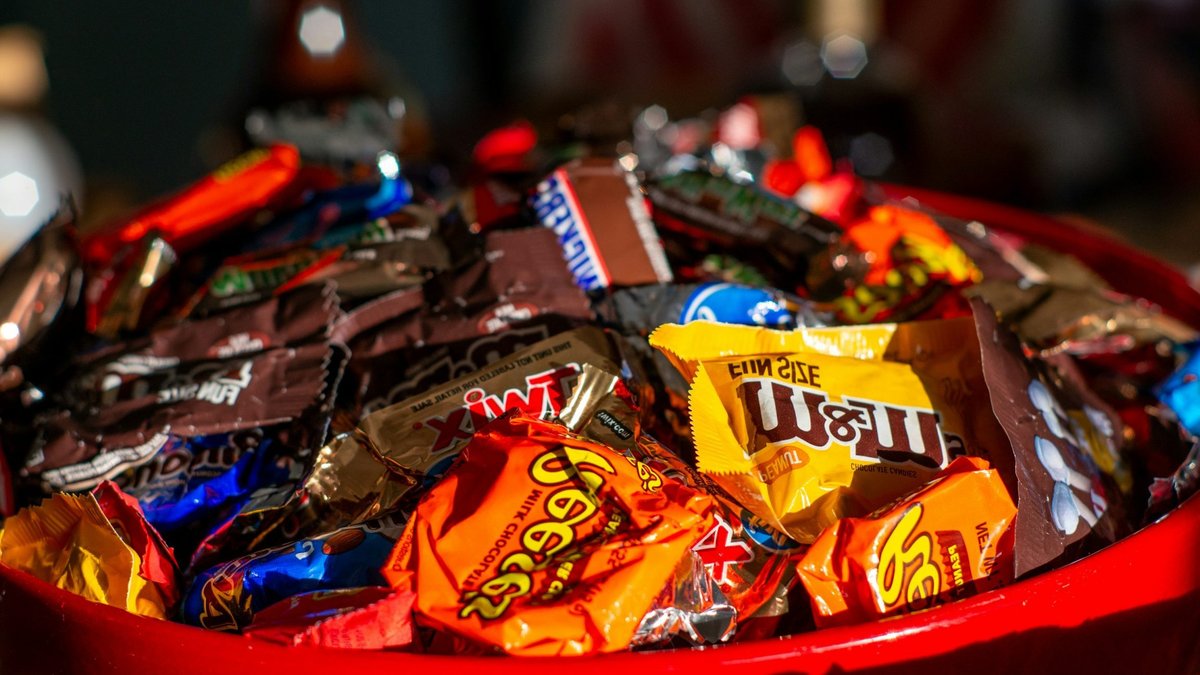
Halloween poses risks for children with food allergies, as six of the top allergens appear in many popular candies and treats. Common allergens like peanuts, dairy, gluten, wheat, milk, soy, and egg are frequently hidden in sweets. For a child with a severe allergy, a single piece of candy can trigger a dangerous reaction, turning a festive evening into a medical emergency. The challenge for parents is identifying safe options while allowing their children to participate in the traditions of the holiday.
Identify Safe Options
Dr. Jennifer Toh, an allergist/immunologist for ENT and Allergy Associates, advises parents to discuss specific allergens found in treats with their children. She recommends creating a plan for parties and trick-or-treating, including a protocol for what to do if a reaction is suspected. Parents should also teach children to ask adults for permission before eating anything and to politely refuse home-baked items like cupcakes. Dr. Toh emphasizes that responsible adults must be present at any party and that they are fully aware of the child’s allergies.
Trick-or-treaters can look for homes displaying a teal pumpkin outside. This is the symbol of the Teal Pumpkin Project, an initiative by Food Allergy Research & Education to signal that the household offers non-food treats. While products like Snickers feature peanuts and Milk Duds contain dairy, smaller versions of candy bars can sometimes have different ingredients or be processed on shared equipment, meaning a brand a child has eaten safely before could cause a reaction.
When in doubt, the best course of action is to trade the item with a friend, give it away, or throw it out. Parents should also inspect their child’s epinephrine autoinjectors at the start of the school year to ensure they are not expired and that teachers or caregivers have access to them. It is imperative that children with known allergies have their epinephrine autoinjector with them at all times, or in the possession of a responsible caregiver, as it could be a lifesaving necessity if an allergic reaction occurs.
Read Also: U.S. Wine Producers Cut Vines as Sales Falter
Manage the Environment
Families can modify traditional celebrations to accommodate allergies. Children can still enjoy the holiday by playing games, going on a scavenger hunt, or watching age-appropriate movies. If a child insists on trick-or-treating, the family can pre-select a route that includes only homes with teal pumpkins or known safe options.
Managing the school environment requires proactive communication. Parents should speak with teachers before Halloween parties to discuss the specific allergens present. Volunteering to help with the event allows parents to ensure that safe snacks are available and that homemade items are not shared.
For families managing these constraints, the holiday often requires a shift in focus from the quantity of candy to the quality of the experience. Instead of a pile of unknown treats, the evening might center on the fun of a scavenger hunt or the excitement of choosing a specific non-food prize from a teal pumpkin bucket.
The Future of Retail Loyalty
What does loyalty look like for grocery retailers in an era of AI, hyper-personalization, and increasingly distracted consumers? Loyalty expert David Ciancio joined The Food Institute Podcast live from Groceryshop 2026 to discuss how retailers can move beyond discounts and points to build programs that earn customer loyalty, improve the shopping experience, and serve as a true engine for growth.