Many Americans are growing weary of tipping culture, and this sentiment extends to restaurant workers themselves. The stress of relying on tips for income is a familiar experience for those in the industry, with many waiters and waitresses expressing frustration over the unpredictability of gratuities, especially during slow periods.
The Tipping Dilemma
The base wage for waitstaff in traditional full-service restaurants is often as low as $2.13 per hour, making tips a critical component of their earnings. This wage structure means that gratuities constitute the overwhelming majority of their income. In contrast, quick-service restaurant employees typically earn a higher base wage, supplemented by tips, which provides them with more financial stability.
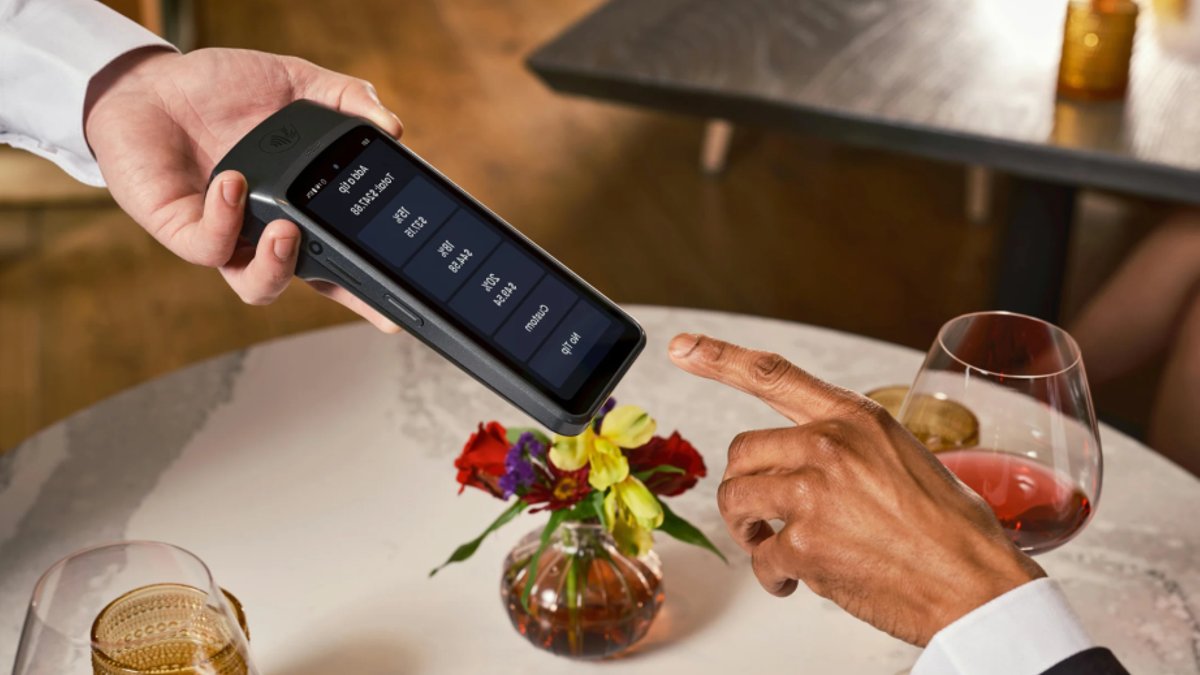
However, the increasing prevalence of tipping prompts, even for minimal or self-service transactions, has led to a phenomenon known as “tip prompt fatigue.” This trend raises concerns about its potential long-term impact on workers who heavily depend on tips to make a living.
Tipping Trends and Consumer Behavior
Despite growing consumer frustration with tipping culture, average tip percentages have remained stable. According to Toast’s Restaurant Tipping Trends report, the average tip at full-service restaurants was 19.1% in Q2 2026, unchanged from the previous year. Quick-service restaurant tips also held steady at 15.8% for the seventh consecutive quarter. This stability contrasts with the increasing dissatisfaction among consumers.
A Popmenu survey revealed that 78% of consumers find tipping “ridiculous,” with 40% actively reducing their gratuities. This discrepancy between tipping trends and consumer sentiment may be attributed to the nature of service and the context in which tips are requested. For instance, consumers may feel less inclined to tip when there is minimal human interaction, such as at kiosks or digital point-of-sale systems.
The Role of Service and Technology
Tal Clark, CEO of Instant Financial, distinguishes between “tipping fatigue” and “tip prompt fatigue.” He explains that consumers are more reluctant to tip when the transaction involves little to no human interaction. Brandon Dorsky, co-owner of Yeastie Boys Bagels, which operates nine food trucks in Los Angeles, agrees that the nature of service plays a significant role in tipping behavior. Historically, quick-service restaurants were judged on speed rather than service quality, but the expansion of tipping requests to self-service transactions has blurred these lines.
While tipping prompts are widespread, compliance varies significantly. Popmenu found that 57% of consumers typically don’t tip at quick-service restaurants, compared to only 1% at sit-down restaurants with servers.
It’s essential to consider that reported averages only reflect transactions where tips were added, not the frequency of declined tips. As Clark notes, stable tipping percentages don’t necessarily indicate consumer satisfaction or employee financial well-being. The concern remains that persistent tip requests could eventually erode consumers’ willingness to tip those who rely on it.
Tibersoft’s Suzanne Cwik and Kinetic12’s Art Bell join The Food Institute Podcast to explore how connecting commercial activity to operator behavior can help manufacturers measure what works, improve trade investments, and make smarter sales and marketing decisions. Understanding the factors influencing tipping behavior is complex, and more data is needed to make informed decisions that balance consumer expectations with the financial needs of service workers.