Bars are shifting away from sweet cocktails and adopting a new approach centered on savory ingredients and condiments. While shrubs and fruit syrups remain staples, many bartenders are eliminating sweetness entirely, focusing instead on umami, salt, and global flavors. This development marks a broader change in beverage creativity, where drinks now draw inspiration from pantry staples as much as from traditional bar ingredients.
The rise of the dirty martini demonstrated how salty and briny elements can enhance a drink. Now, bartenders are expanding this concept into full cocktails built around condiments. Michael Moberly, beverage innovation director at flavor manufacturer Monin, describes this movement as the “Savory Shift”—a deliberate effort to treat condiments as primary ingredients rather than mere garnishes. By nature, the dirty martini is a condiment cocktail, since olive brine is a kind of condiment. “So why not see where we can push the Monin flavor palate towards more condiment concoctions?”
Read Also: Tips for Safe Halloween With Food Allergies
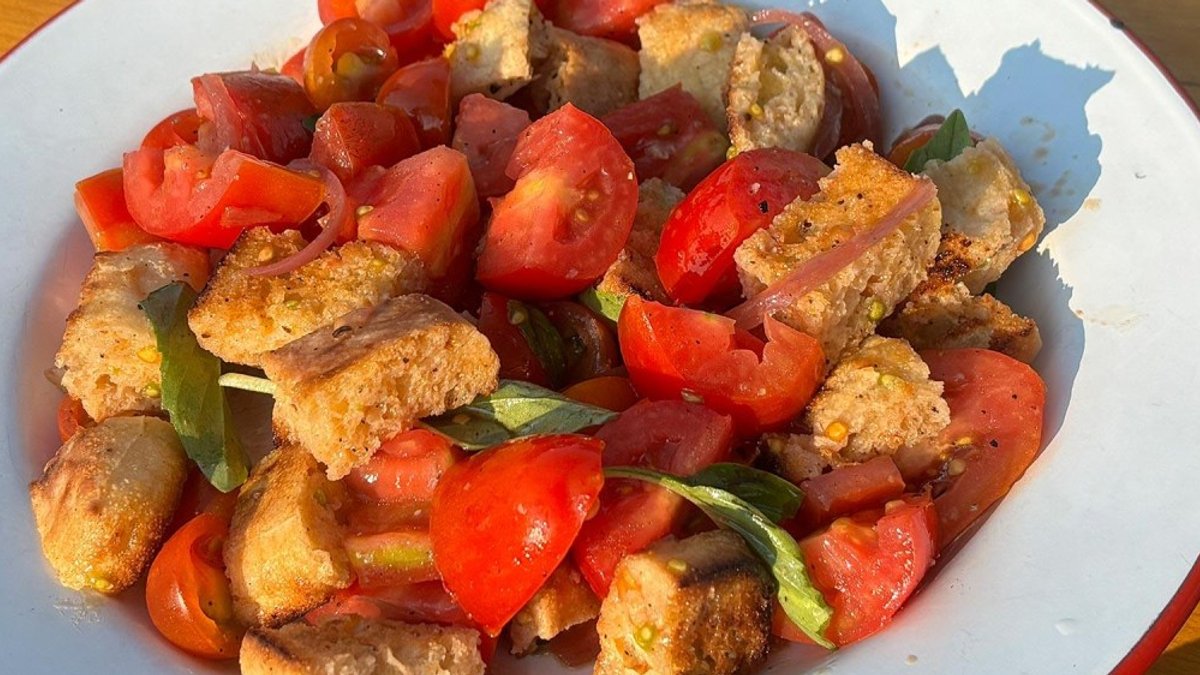
Monin’s unsweetened flavor range now includes basil concentrate, specifically designed for savory cocktails like a tomato caprese drink. At The Chef’s Garden in Chicago, executive chef Jamie Simpson has crafted a version of this cocktail using overripe tomatoes, whey to contribute a creamy element (which can come from homemade ricotta or the packing liquid from fresh mozzarella), and a saline solution that adds a “surprising pop of flavor.” The drink’s clarity comes from strained tomato water, while a basil-infused syrup rounds out the profile.
Broth-based cocktails represent another offshoot of this trend. In 2023, Monin released recipes such as a “broth-inspired” lemon drop, blending vegetable stock with classic citrus flavors. Moberly emphasizes that these drinks are both accessible and adaptable, proving savory cocktails do not require advanced techniques.
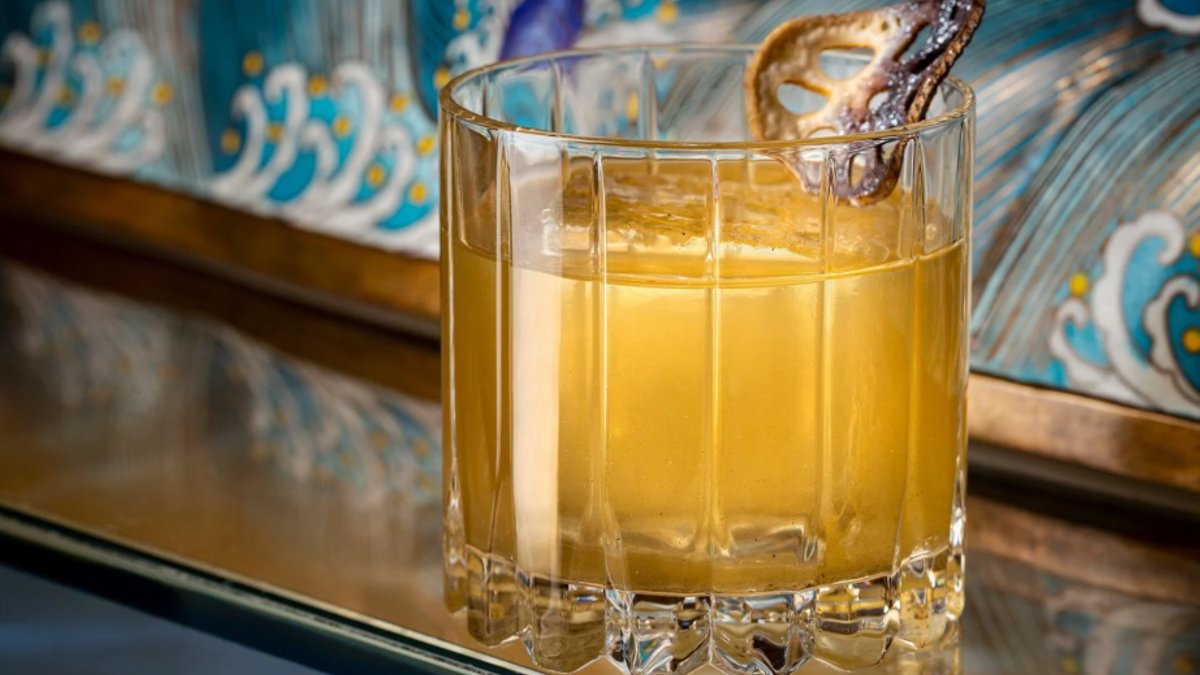
The savory trend extends beyond familiar condiments, acting as a gateway to global flavors. Darren Chang, co-chef of Pig & Tiger in Denver, reimagined the Penicillin cocktail as the “Med School Dropout,” replacing Scotch with mezcal and infusing honey-ginger syrup with black bean soy sauce. “The soy sauce adds an umami richness and saltiness that balances the honey sweetness and complements the heat of the fresh ginger,” Chang explains.
Read Also: U.S. Wine Producers Cut Vines as Sales Falter
At Wynn Las Vegas, master mixologist Mariena Mercer Boarini has developed drinks blending Mediterranean and Asian influences. The Sartiano’s Rare Breed martini combines spiced olive brine with pepperoncini and truffle salt, while the Mizumi’s Mujō dirty martini incorporates golden miso, umami brine, and Japanese pickles. Even the Oaxaca Old Fashioned at Casa Playa integrates mole spices into the classic recipe.
Indian condiments are also being explored. Sanwar Mal Khokhar, beverage program leader at Sanjh Restaurant & Bar in Dallas, experimented with green mint chutney clarified with milk—a process that softened the chutney’s sharpness. The outcome resembled a herbaceous Gibson, a dry martini with a pickled onion garnish. “I think Indian condiments have a lot of unexplored potential behind the bar because, for American guests, a chutney is totally new, and they do not even know how it will behave in a drink,” he said.