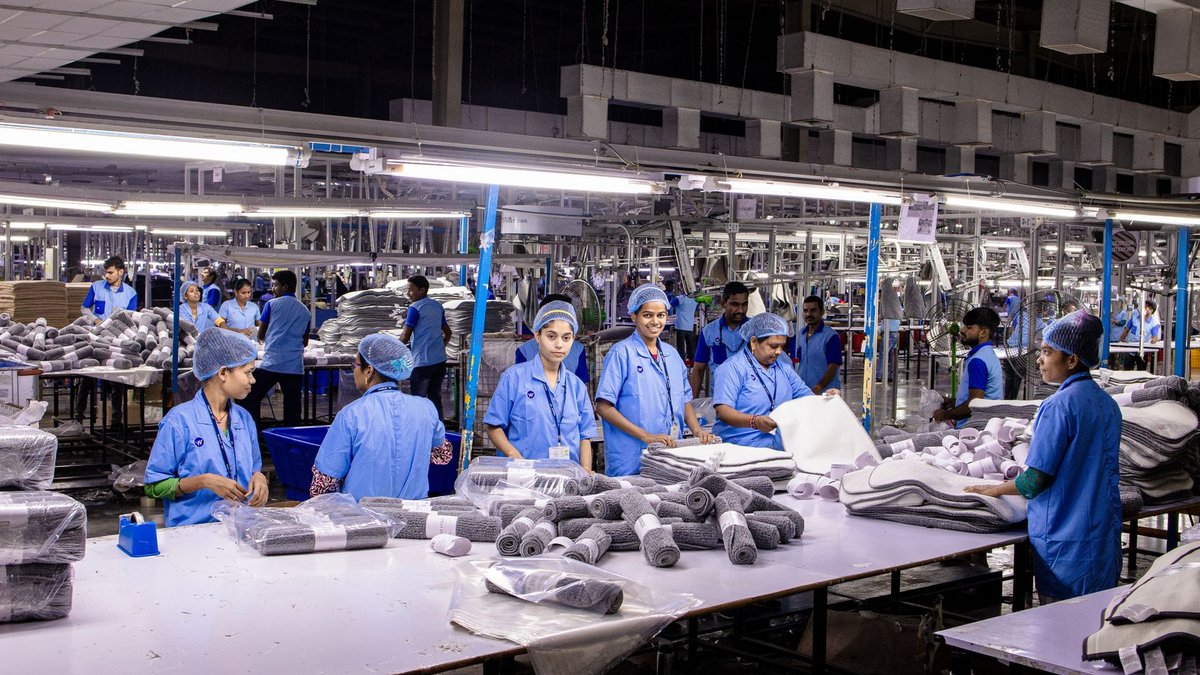
The ISM Manufacturing PMI held steady at 54.5% in September, marking the ninth consecutive month of expansion. However, the prices index surged to 77.9%, driven by factors like tariff costs, pricing volatility, and geopolitical disruption. This increase in the prices index, up 6.8 points from August, reflects significant cost pressures on manufacturers. New orders rose to 55.3%, production to 56.7%, and backlog of orders climbed to 56.4%, indicating robust demand despite these challenges.
Manufacturers cited pricing volatility as their top concern, with 46% of respondents highlighting this issue. Tariffs and geopolitical disruption followed, with 34% and 30% of manufacturers, respectively, pointing to these challenges. The surge in the prices index is partly attributed to rising costs of materials like steel and aluminum, as well as tariff pass-throughs, which are squeezing profit margins.
Hormel’s $1B Chicken Investment
Hormel is acquiring Brakebush Brothers, a family-owned chicken processor founded in 1925, for $1.055 billion. This strategic move strengthens Hormel’s position in the protein market, particularly in the rapidly growing chicken segment. The acquisition is part of a broader Q3 wave of food M&A that has spanned protein, snacks, and grocery sectors.
Brakebush Brothers generates $1.2 billion in annual sales and operates five production facilities and two R&D labs. Hormel’s incoming CEO, John Ghingo, emphasized that the chicken’s growth trajectory is the primary driver for this acquisition. The deal is expected to close in Q1 of Hormel’s fiscal 2027, enhancing Hormel’s foodservice platform at a time when chicken demand is outpacing other proteins.
California’s Non-UPF Label Law
California has signed AB 2244 into law on September 28, creating a state-run non-UPF certification program. This law allows manufacturers to apply for a “non-ultra-processed certified” label on packaging, overseen by the California Department of Health. However, the law does not specify which definition of ultra-processed foods will govern certification standards, leaving manufacturers with significant operational uncertainty.
Companies have roughly 2.5 years to prepare for potential impacts, as the state must accredit certification agents by June 1, 2029. The HHS and USDA have a proposed federal UPF definition under final review, but California’s law remains unanchored to any specific standard. This ambiguity poses challenges for manufacturers, particularly those with reformulation flexibility and cleaner ingredient lists.
Consumer Food Safety Confidence Drops
Consumer food safety confidence has dropped to 31%, a nine-point decline in nine months. A survey by the University of Illinois and Purdue University of roughly 1,000 adults found that 49% changed their grocery purchases due to foodborne illness concerns. This shift in consumer behavior highlights growing unease with food safety issues.
The FDA’s food traceability rule, which requires lot-level records for high-risk foods, won’t be enforced until July 20, 2028. Additionally, the USDA withdrew its Salmonella framework for raw chicken and turkey in April 2025, further exacerbating concerns. While no official investigation has linked these regulatory changes to specific outbreaks, the decline in consumer confidence is a significant issue for both retailers and brands.
Several major manufacturers are responding to cost pressures with structural changes. Constellation Brands has generated $600 million in savings since 2023 through procurement, logistics, and operations, and aims to save an additional $200 million by fiscal 2028. General Mills is pursuing $1 billion in savings by 2030, despite a 40% year-over-year increase in logistics costs, with spot rates representing only 7% of its total freight spend. These companies are focusing on procurement discipline and supply chain consolidation to mitigate rising costs.
Five megadeals are reshaping the global food and beverage industry. Mars acquired Kellanova for $36 billion, increasing its global snack market share from 4% to 6% and adding brands like Pringles, Cheez-It, and Pop-Tarts. Keurig Dr Pepper acquired 96.22% of JDE Peet’s for $18 billion, tripling its coffee operations across more than 100 countries, and plans to split into two publicly traded companies by year-end. McCormick’s pending $15.7 billion combination with Unilever Foods is expected to close by mid-2027. These deals highlight the industry’s focus on scale and geographic reach to create competitive advantages.