The FDA’s decision to postpone enforcement of the Food Traceability Rule until July 20, 2028, led many food businesses to deprioritize compliance efforts. Yet this delay does not alter customer expectations or the risks brands face if their products are tied to an outbreak.
Most retailers and restaurants are covered by this rule, with exemptions for some smaller operations, and each covered business needs a written traceability plan. They must produce records within 24 hours of an FDA request, and many will rely on their suppliers to keep these records for them.
Traceability Records and Customer Expectations
Suppliers who can guarantee quick access to traceability information will be easier to buy from, while those who can’t will find themselves explaining why. The purpose of the rule is to enable the FDA to trace food from the consumer back through the supply chain in hours, not weeks, in the event of a foodborne illness.
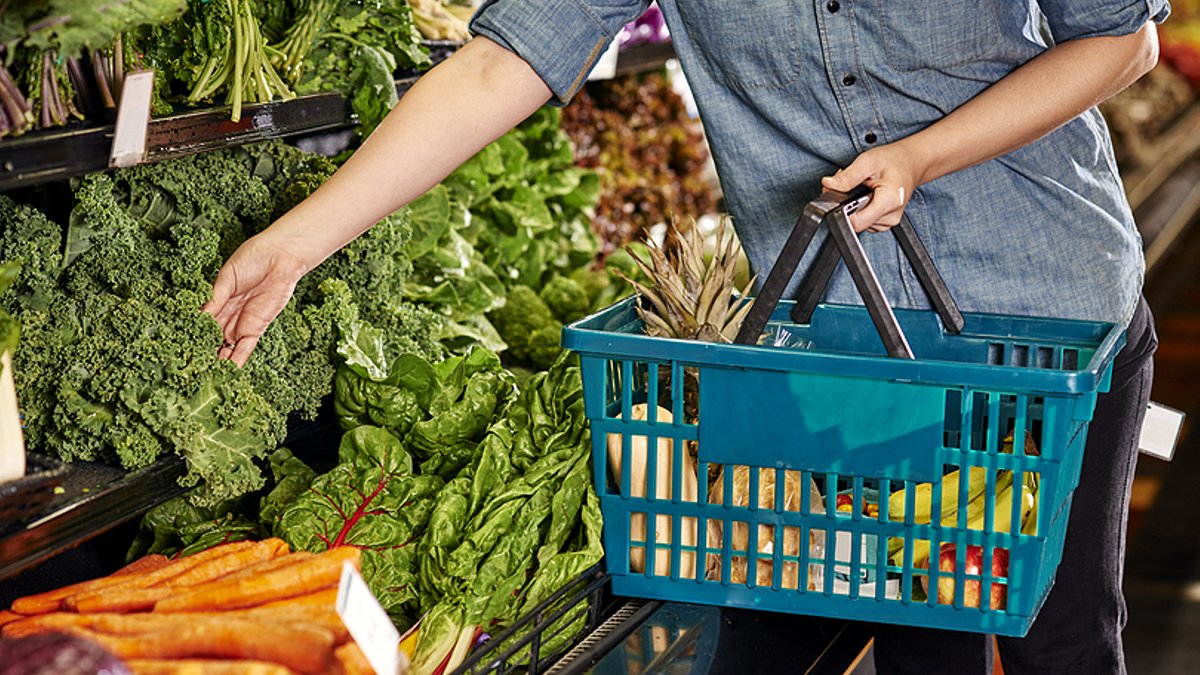
The rule applies to specific foods on the FDA’s Food Traceability List, which was built around foodborne illness risk. Foods like leafy greens, tomatoes, and cut fruit are eaten raw, so nothing downstream can correct earlier contamination. When an outbreak hits, the ability to trace the product back to its source quickly matters most.
Every company that handles these foods needs a written Food Traceability Plan, which describes how the company keeps the required records and names a point of contact.
Challenges in Achieving Speed and Accuracy
Achieving this kind of speed is hard because tracing food through the supply chain is more complicated than most people realize. Each company in the chain gives the product its own new lot code when it ships, so a contaminated product can change lot codes several times between farm and fork. Much of that record-keeping is still on paper, and when an outbreak hits, FDA investigators end up sorting through paper records one company at a time.
The rule’s answer is the traceability lot code, which is assigned when the food is first packed and travels with the product. Every step in the chain maintains this code, and if the food is turned into a new product, the new code is tied back to the original, so the trail stays intact. This summer’s Cyclospora outbreak, which sickened 12,883 people in 21 states, highlights the importance of quick and accurate traceability.
In this outbreak, the CDC and FDA traceback converged on a single supplier by July 17, the day of the recall. Every day saved in the traceback process means fewer people get sick, and there’s also a significant business cost to consider. Traceability protects brands as well as consumers by confirming the source of contamination, right-sizing recalls, and preventing recalls entirely.
Companies that start working on their traceability plans now will see benefits, such as faster and more targeted recalls, and better visibility into their suppliers. They will also get real practice in identifying and fixing gaps in their systems, which will pay off when the FDA starts enforcing the rule.
Figuring out which rules apply to each facility and which suppliers are involved is an initial step. Building a cross-functional team with stakeholders from various departments, such as Purchasing, Logistics, Food Safety, IT, Finance, Legal, and Operations, will help assess the requirements and build a plan and timeline.
Leaving time for technology implementation is also essential, as companies may need to budget for a third-party system to assist with their data requirements. With the FDA’s enforcement date looming, companies should start taking traceability seriously and begin working on their plans to ensure compliance and protect their brands.
Benefits of Early Preparation
Every gap found in a mock trace today is one that can be fixed on a company’s own schedule, not in the middle of an FDA request.