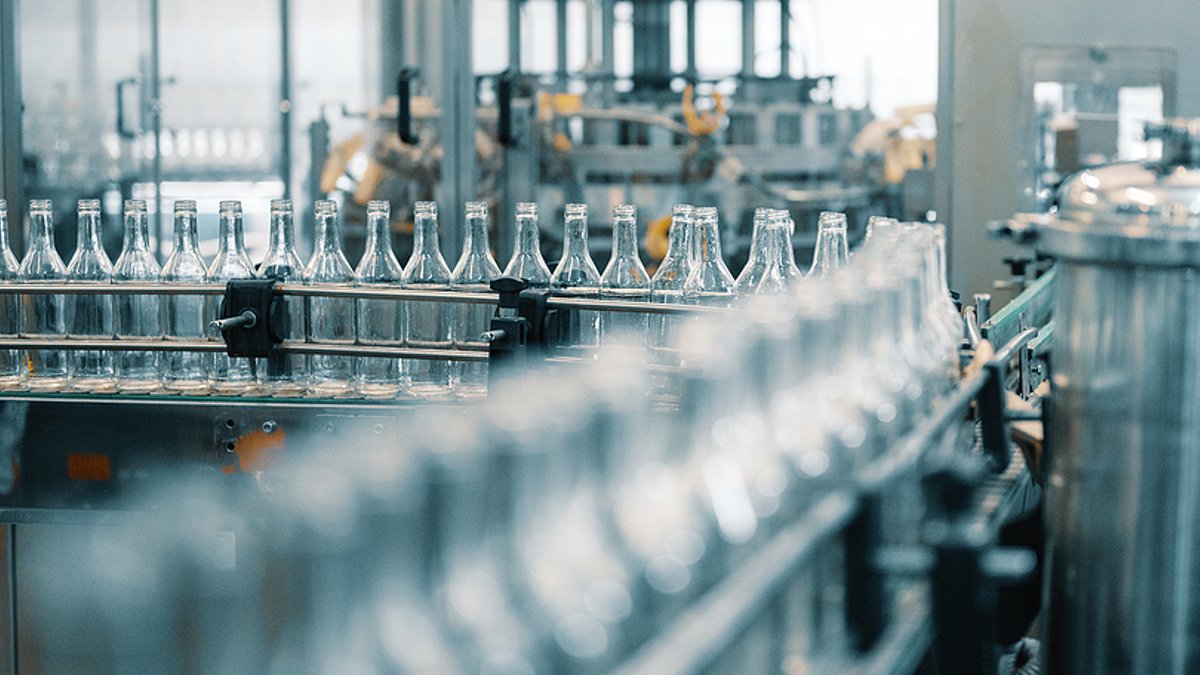
Food and beverage companies are closing U.S. plants and cutting jobs at a rapid pace. PepsiCo, Nestlé, and Campbell’s have announced five plant closures in the past two months. These decisions, while not always publicly detailed, appear to be based on a consistent set of financial and operational metrics.
On October 19, PepsiCo Beverages U.S. announced the immediate closure of its Knoxville, Tennessee plant. The closure affects 112 workers, who will retain their pay and benefits through January 1, 2027. Local sales and delivery teams will continue to serve customers, but the product will be sourced from other PepsiCo facilities.
Knoxville’s closure follows the September announcement that PepsiCo would end manufacturing at its Cheverly, Maryland plant, eliminating 143 jobs. A company spokesperson stated that the moves are part of a plan to “continue optimizing and modernizing our network to best serve customers and consumers.”
Industry-Wide Cost Pressures Drive Closures
The trend extends beyond PepsiCo. Across the food and beverage industry, companies announced 29,693 job cuts through September, a 76% increase from the same period in 2025. Meanwhile, the output of food, beverage, and tobacco products fell 1.5% year-over-year. When output declines, leadership reevaluates which production sites are essential.
When a company consolidates its manufacturing network, production volume is shifted to higher-performing plants. For example, Nestlé will close its Solon, Ohio factory by the end of 2027, moving its foodservice pouch production to its facility in Gaffney, South Carolina. The company cited “shifting customer needs and volumes” as the reason, noting that building on existing capabilities elsewhere was “the most sustainable path forward.”
Similarly, Campbell’s is closing two snacks plants in Hyannis and Jeffersonville and reducing its salaried workforce by about 13% as part of a program targeting $500 million in cost reductions by fiscal 2030. The company’s snacks net sales fell 12% in the fourth quarter.
The Four Metrics Guiding Plant Closures
While the companies did not specify why individual plants were chosen, their statements point to a focus on four key figures: delivered cost per case, changeover capacity, site volume, and required capital. These metrics form the basis for a plant’s performance and its role within the larger network.
Related Post: Cyberattacks on Food Industry Surge 62% in 2026
1. Delivered cost per case, including freight to major customers. Campbell’s noted “double-digit logistics inflation” driven by higher diesel costs and reduced driver availability, making a plant’s proximity to its largest customers a significant advantage.
2. Changeovers absorbed each week without overtime. PepsiCo’s CEO mentioned investing more behind specific brands like Pepsi and Mountain Dew, which requires more frequent production line changes. A plant’s flexibility to handle these shifts without extra labor is critical.
3. How much network volume only your site can run. Nestlé could move the Solon factory’s work because it had the necessary capability at another plant. Products unique to a single site are its strongest protection, as moving them would be costly and complex.
4. The capital required to stay competitive. Network reviews consider a site’s future spending needs, including deferred maintenance, line upgrades, and compliance projects. The focus is on the cost to keep the site competitive, not past investments.
How Plants Can Assess Their Own Risk
Companies can take steps to protect their facilities by understanding how they perform against the same four metrics. The process starts with gathering internal data on cost per case, changeover capacity, unique product volume, and capital needs.
Protecting a Plant with Data-Driven Action
A practical approach is to pick one weak metric and create a 90-day plan to improve it. For example, a plant could focus on reducing changeover times or finding more efficient freight routes. Demonstrating quick, tangible progress can strengthen a facility’s case for survival.