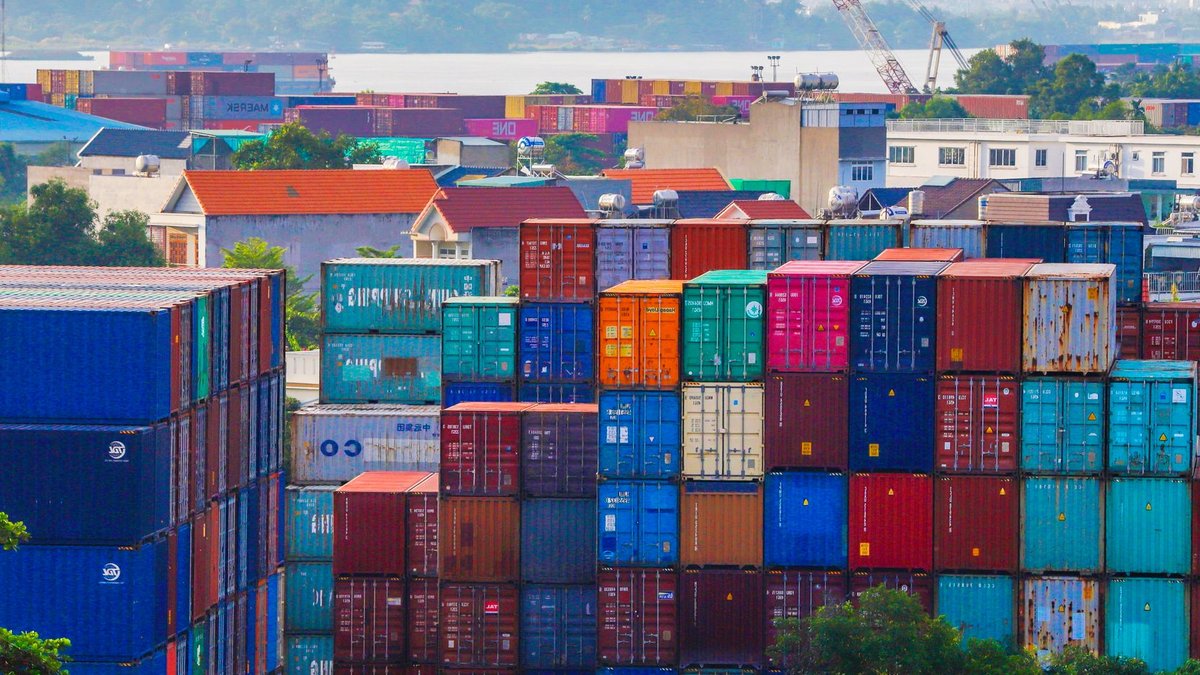
McCormick & Company has raised its inflation projection for fiscal 2026 to 7%, a jump from previous mid-single-digit estimates. The adjustment stems from escalating freight and logistics expenses linked to geopolitical conflicts, notably the Iran war, which has constrained shipping capacity and stretched bulk delivery times from 24 to 72 hours to 7 to 10 days. Despite these headwinds, the company’s adjusted operating income for Q3 still rose 22.1% to $358.5 million. However, CFO Marcos Gabriel cautioned that regulatory shifts and carrier cost hikes would constrain profitability through November 30.
The FAO Food Price Index climbed to 136 in September, a 1.5% increase from August, with cereal prices alone surging 5.1% in one month. The ISM’s prices-paid index for manufacturing reached 77.9%, marking the 24th straight month of rising raw material costs. 58.6% of companies reported higher prices in September versus 46.2% in August.
Producers face mounting strain as cost pressures intensify. A Purdue/CME Group Ag Economy Barometer survey revealed that 52% of respondents identified input costs as their top concern—the highest level ever recorded. The Farm Financial Performance Index also fell 13 points, signaling deteriorating financial conditions across agriculture.
Consumer confidence in food safety has plummeted to a critical low. Only 65% of Americans now trust grocery store food safety, the lowest level on record, according to recent data. Trust in the federal government’s ability to guarantee food safety has dropped further, to 47%, down from 68% in 2019. This decline follows the largest Cyclospora outbreak in U.S. history, which infected over 12,000 people across 21 states before concluding in September.
Related Post: New Index Tracks Food Industry Cost Pressures Weekly
The erosion of trust is prompting lasting shifts in purchasing behavior. A Gallup poll found that 73% of consumers avoided certain brands or foods due to recalls or advisories in the past year—a 20-point jump from 53% in 2024. The surge in recalled products highlights the problem’s scope: 941.2 million units were recalled in the first half of 2026, a 346% increase from the same period in 2025, despite a stable recall count of around 1,635 incidents. Even consumers not directly impacted by recalls are adjusting their habits.
Amid these challenges, two major acquisitions could reshape the flavor and deli sectors. McCormick’s $44.8 billion purchase of Unilever’s food division secured FTC approval on October 5, though UK regulatory clearance remains pending until November 11. To address competition worries, Unilever will divest Colman’s mustard, leaving McCormick with brands including Hellmann’s, Knorr, Frank’s RedHot, and Old Bay under a $65 billion combined portfolio.
Separately, Sargento acquired La Terra Fina, a producer of dairy-based dips, spreads, and quiches, with terms undisclosed. The deal established a new Deli Business Unit to strengthen Sargento’s presence in grocery and club deli sections. This acquisition follows a productive September for food and beverage manufacturing, with 65 new projects recorded, the second-highest monthly total of the year. Seven of these projects exceeded $100 million, including a $1.2 billion expansion at Chobani’s Allentown, Pennsylvania, facility and a $700 million CHS soybean processing plant in Wisconsin.